
Henry Dumas “an absolute genius” writes Toni Morrison
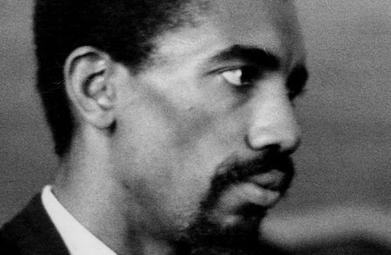
Henry Dumas was a prolific African-American writer and poet. His work continues to be celebrated for its unique voice and its powerful storytelling.
Born on July 20 1934, Henry Dumas spent the early years of his life in Sweet Home, Arkansas — a place in the racially intolerant and segregated South. It was there where he experienced firsthand the injustices and struggles faced by African-Americans. In spite of these challenges, Dumas found solace in writing and poetry. He used his words to shed light on the experiences of his community.
Henry Dumas’ writing has been praised for its lyrical prose, insightful commentary on race, identity and social issues. His poetry often explored themes of love, spirituality and the African-American experience. His short stories delved into complex characters and thought-provoking narratives.
Henry Dumas’ work was deeply rooted in his cultural heritage and upbringing. Drawing inspiration from the rich traditions of African-American folklore and mythology. One of Dumas’ most notable works is “Play Ebony, Play Ivory.” This play was published posthumously by Toni Morrison at Random House in 1974. “Play Ebony, Play Ivory” explores themes of race relations and identity through the relationship of two musicians — one black and one white. They come together to create music that transcends boundaries. Through their collaboration, Dumas challenges societal norms and stereotypes. His intention— to highlight the power of art to bring people together.
In addition to “Play Ebony, Play Ivory,” Dumas also wrote a collection of short stories titled “Ark of Bones” which further showcases his talent for crafting vivid characters and compelling narratives.
These stories touch on a wide range of topics including family dynamics, spirituality and the search for meaning in this chaotic world. Dumas’ writing, known for its evocative imagery and emotional depth, draws readers into worlds both familiar and fantastical.
Despite Henry Dumas untimely death at age of 33, in 1968, he has left behind a lasting legacy. His work continues to be studied and appreciated by scholars and readers alike for its innovative style and profound insights into the human experience. Through his poetry, plays and short stories, Dumas challenged conventions. As well, he celebrated the resilience and creativity of marginalized communities. Toni Morrison aptly described him as “an absolute genius.”
Henry Dumas remains a towering figure in American literature. His impact endures to this day. Henry Duma’s work stands as a testament to the power of storytelling — it’s a means of resistance, preservation and celebration.