
Buffalo Soldiers: Pioneers of Black Military Excellence
Formed in the wake of the Civil War, the Buffalo Soldiers were among the first Black regiments in the U.S. Army. Their legacy—built through fierce battles, frontier service, and unwavering loyalty—challenged the myths of racial inferiority and paved the way for future generations of Black military heroes.
Week 1: Breaking Barriers in the 19th & Early 20th Century
The Birth of the Buffalo Soldiers
In the aftermath of the Civil War, African American men sought opportunities to prove their loyalty and service to the nation that had only recently granted them freedom. In 1866, Congress passed the Army Reorganization Act, forming six all-Black regiments—the 24th and 25th Infantry, and the 9th and 10th Cavalry Regiments. These men would come to be known as the Buffalo Soldiers, a name reportedly given to them by Native American tribes, who not only admired their resilience and bravery in battle but also noted the similarity between their thick, curly hair and the shaggy coat of the revered buffalo. This comparison was both a mark of respect and a reflection of the soldiers’ steadfast endurance in harsh conditions..
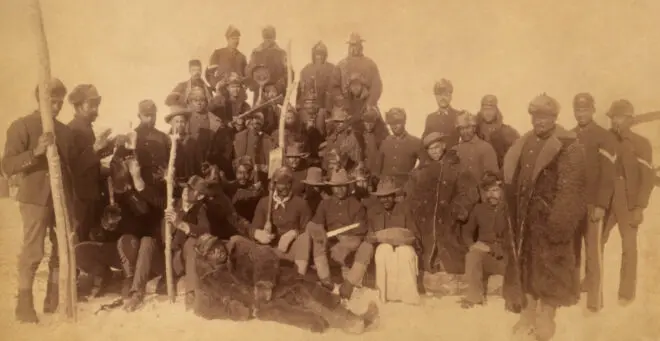
Defending the Western Frontier
The Buffalo Soldiers were primarily stationed in the Western frontier, where they played a crucial role in shaping the future of the expanding United States. Their duties included:
- Protecting settlers and railroad workers from raids
- Engaging in conflicts with Native American tribes during the Indian Wars
- Guarding stagecoaches and mail routes
- Patrolling national parks and subduing outlaws
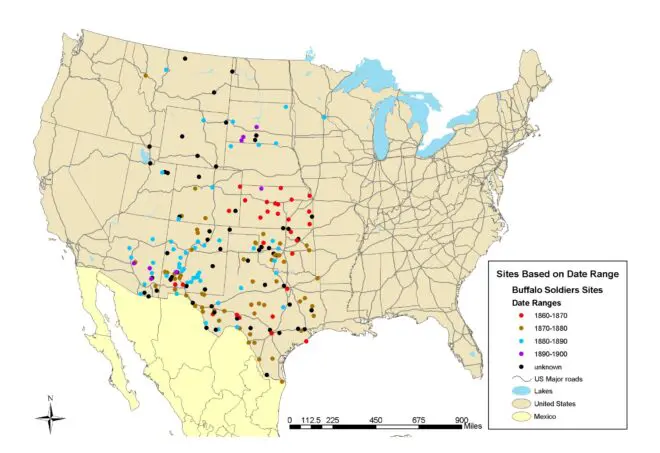
Despite facing brutal weather, poor living conditions, and inadequate supplies, they consistently performed their duties with discipline and valor. Between 1870 and 1890, the Buffalo Soldiers participated in numerous battles, particularly against the Comanche, Apache, and Cheyenne. Their effectiveness led to many being awarded Medals of Honor—more than any other regiment at the time.
Challenges and Racial Discrimination
Even as they served with distinction, Buffalo Soldiers faced severe discrimination. Many white officers refused to lead Black regiments, while others viewed them as expendable. Their wages were lower than white soldiers, and they often received the worst equipment and supplies.
Moreover, many African Americans who joined the military did so because employment opportunities were limited in civilian life. The Army, for all its flaws, provided a path to economic stability and social mobility, something few Black men could access post-Reconstruction.
Buffalo Soldiers in the Spanish-American War

By 1898, Buffalo Soldiers were no longer just frontier defenders. They played a key role in the Spanish-American War, particularly in the Battle of San Juan Hill in Cuba. The 9th and 10th Cavalry Regiments fought alongside Theodore Roosevelt’s Rough Riders, despite receiving little credit for their bravery. Reports indicate that without their fierce counterattacks, Roosevelt’s men would have suffered heavy losses.
During this war, men like Sgt. George Berry and Pvt. William Thompkins became national heroes. Their contributions led to the eventual integration of Black troops into the larger U.S. military.
Buffalo Soldiers and the National Parks
In the early 20th century, Buffalo Soldiers became some of America’s first park rangers. Assigned to patrol Yosemite and Sequoia National Parks, they protected wildlife, built roads, and prevented illegal poaching. Their contributions helped lay the foundation for what would become the National Park Service.
The Legacy of the Buffalo Soldiers
Though officially disbanded in 1944 as part of the Army’s desegregation efforts, the Buffalo Soldiers’ legacy endured. Their service demonstrated that Black soldiers were just as capable as their white counterparts, paving the way for the full integration of the U.S. military in 1948 under President Harry Truman’s Executive Order 9981.
Today, monuments, museums, and reenactments keep the memory of the Buffalo Soldiers alive. Their contributions are a testament to the courage and resilience of African American soldiers who fought for a country that often refused to fight for them.
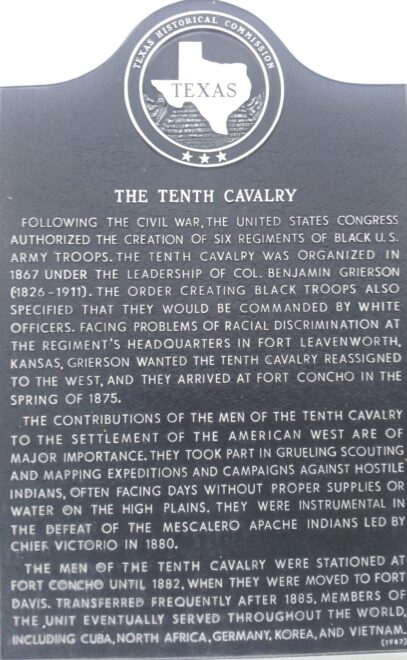
Why Their Story Matters Today
At a time when conversations about racial equality in the military are being challenged, the story of the Buffalo Soldiers remains as relevant as ever. They remind us that Black Americans have always been an integral part of this nation’s defense, proving their loyalty and skill in the face of racism and systemic oppression.
Their sacrifices laid the groundwork for future Black military leaders, including General Benjamin O. Davis Sr., Benjamin O. Davis Jr., and Colin Powell. Without their service, the integration of the military might have been delayed for decades.
Final Thoughts
The Buffalo Soldiers were more than just soldiers—they were pioneers, pathfinders, and heroes who changed the course of American history. Their contributions should never be forgotten, and their bravery should serve as a constant reminder that freedom and equality must always be fought for, even within the ranks of those sworn to protect it.
WATCH: Buffalo Soldiers: An American Legacy
WATCH: “I was a Buffalo Soldier: The Story of Nolan Self” Full Documentary
AfricanAmericanValorSeries #RoutesMagazine #BlackMilitaryHistory #MilitaryHeroes #WWI #WWII #CivilRights #BlackExcellence #USMilitaryHistory #UntoldStories #BlackHistory365