
Benjamin O. Davis Sr.: The U.S. Army’s First Black General
A quiet warrior. A historic first.
In 1940, Benjamin O. Davis Sr. became the first Black general in the U.S. Army. With quiet dignity and unshakable determination, he broke through the walls of segregation and helped reshape the future of military leadership in America.
Week 1: Breaking Barriers in the 19th & Early 20th Century
Breaking Barriers in a Segregated Army
For nearly half a century, Benjamin O. Davis Sr. served in the U.S. Army at a time when Black soldiers were considered second-class citizens. Born in 1877 in Washington, D.C., Davis enlisted in the military in 1898 during the Spanish-American War. Over the next four decades, he would rise from cavalryman to brigadier general, becoming the first African American to attain general officer rank in the U.S. Army. His legacy is one of resilience, duty, and an unwavering commitment to breaking the military’s color line.
From Buffalo Soldier to Military Instructor

Davis began his career in the famed 9th Cavalry Regiment—one of the original Buffalo Soldier units. His competence and leadership quickly distinguished him in the ranks. He later served as a professor of military science and tactics at institutions like Tuskegee Institute and Wilberforce University, where he trained young African American men in military discipline and leadership.
Throughout his service, Davis consistently advocated for the dignity and potential of Black soldiers, despite enduring segregation and limited opportunities. His assignments often included administrative and instructional roles rather than combat commands—reflecting the Army’s reluctance to allow Black officers authority over white troops.
Promotion to Brigadier General
In 1940, Davis was promoted to brigadier general by President Franklin D. Roosevelt, a landmark moment that made him the first Black general in U.S. Army history. Though the promotion was largely symbolic—Davis was near retirement age and wasn’t given a combat command—it represented a significant shift in military and national consciousness.
In his new role, Davis conducted inspections of Black units, reported on racial conditions in the Army, and served as a crucial liaison between African American troops and the War Department. His work helped spotlight the disparities Black soldiers faced and laid the groundwork for future integration efforts.
Fighting Segregation from Within
General Davis didn’t have the authority to dismantle segregation outright, but he used every available platform to advocate for change. His reports often challenged Army leadership to confront discrimination in assignments, facilities, promotions, and treatment. He maintained professional excellence while pushing for institutional transformation from within.
Although he faced criticism for working within the system, Davis believed that tangible progress required presence at the table. His advocacy informed military policy and paved the way for more inclusive practices in the decades to come.
Mentorship and Legacy
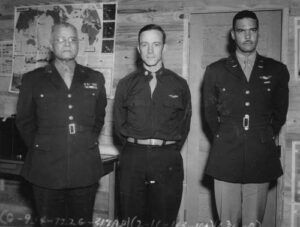
Davis served as a mentor to younger Black officers, including his son, Benjamin O. Davis Jr., who would later become the first Black general in the U.S. Air Force and the celebrated commander of the Tuskegee Airmen. Davis Sr.’s example proved to be both inspirational and foundational for a new generation of African American military leaders.
Even after his retirement in 1948, the same year President Harry S. Truman signed Executive Order 9981 desegregating the armed forces, Davis continued to support veterans and serve in advisory roles. His influence extended beyond military lines into broader civil rights and public service arenas.
A Pioneer Remembered

General Benjamin O. Davis Sr. died in 1970 at the age of 93. He was buried with full military honors at Arlington National Cemetery. Today, he is remembered not only as a trailblazer who shattered the Army’s racial ceiling but also as a dedicated public servant who worked tirelessly to uplift African American troops in an era of entrenched racism.
His name graces schools, roads, and military installations across the country, standing as a permanent reminder of what determination and quiet courage can accomplish. His life story is a powerful counterpoint to historical narratives that too often overlook Black leadership in military history.
Why His Story Matters Today
At a time when the role of DEI (Diversity, Equity, and Inclusion) in the military is under attack, General Davis’s legacy reminds us that diversity isn’t a new idea—it’s an unfinished mission. He exemplified integrity, leadership, and perseverance in a system that actively tried to limit him. And yet, he persisted.
Remembering General Davis means acknowledging the fight that took place long before integration was mandated. His life proves that representation matters, leadership matters, and institutional change requires both vision and grit. As America continues to debate the place of equity in its institutions, Davis’s story offers clarity: we cannot build a just and honorable military without honoring those who fought to make it inclusive.
WATCH: World War II- Red Tail Ceremony with Benjamin O. Davis Senior
AfricanAmericanValorSeries #RoutesMagazine #BlackMilitaryHistory #MilitaryHeroes #WWI #WWII #CivilRights #BlackExcellence #USMilitaryHistory #UntoldStories #BlackHistory365