
Grady Tate: The Rhythm Driving Jazz, Soul, and Beyond
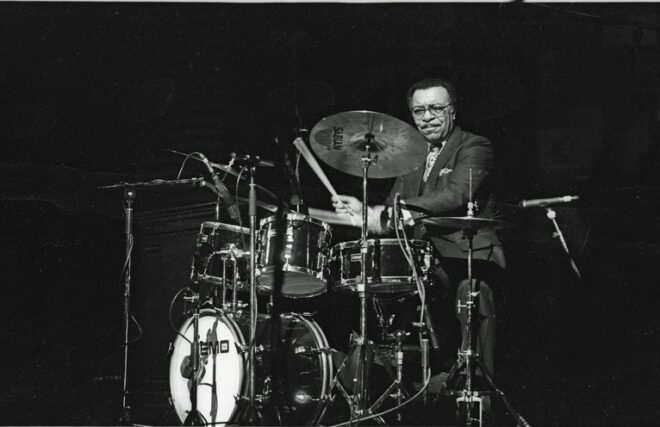
The name Grady Tate may not dominate the conversation when jazz fusion is discussed, but his fingerprints are all over the genre’s defining moments. A master drummer and soulful vocalist, Tate brought rhythm, groove, and precision to countless recordings during the rise of jazz fusion in the 60s and 70s. His contributions, while often subtle, helped shape the soundscapes of jazz, soul, and R&B, bridging genres with a smooth touch that made him an essential yet understated figure in modern music.
At the heart of Tate’s career was his longstanding relationship with producer Creed Taylor, whose visionary CTI Records defined the lush, orchestral jazz fusion sound. Yet, behind this rhythmic brilliance lay another significant influence — Gary McFarland. A vibraphonist and arranger with a keen ear for blending jazz with pop and Brazilian music, McFarland’s approach helped unlock Tate’s vocal ambitions and steer him toward recording as a vocalist.
Grady Tate Laying the Foundation for Fusion
Tate’s drumming provided the framework for some of CTI’s most iconic releases. His ability to maintain tight, soulful grooves while navigating shifting time signatures made him the perfect match for Taylor’s sleek, polished productions.
His work on Wes Montgomery’s A Day in the Life (1967) introduced pop sensibilities into jazz, while albums like Stanley Turrentine’s Sugar (1970) showcased Tate’s talent for creating deep, hypnotic grooves. Tate’s drumming wasn’t flashy, but his impeccable timing and feel allowed other musicians to shine — a hallmark of the CTI sound.
Bridging Skye and CTI Records
Grady Tate’s career as a drummer and vocalist was shaped by his collaborations with two distinct yet interconnected labels — CTI Records and Skye Records. While CTI, under the leadership of Creed Taylor, became synonymous with polished jazz fusion, Skye Records served as an experimental haven for artists blending jazz, Latin, and pop influences.
Tate’s involvement with both labels was no coincidence. His deep connection to Gary McFarland, a co-founder of Skye Records, positioned Tate at the heart of these creative crossroads. McFarland’s breezy, cinematic approach to jazz and Tate’s ability to seamlessly shift between rhythm and vocals created a natural partnership that flourished across multiple projects.
The Skye Years – Vocal Breakthroughs
In 1968, Tate released his debut vocal album, “Windmills of My Mind,” on Skye Records. The album, arranged by McFarland, reflected the label’s signature approach — melding pop standards, orchestral jazz, and Tate’s smooth baritone. This project allowed Tate to step out from behind the drum kit, mirroring McFarland’s own experiments with vocals on “The In Sound.”
A year later, Tate returned to Skye for “Slaves” (1969), the soundtrack for the film of the same name. The album, rich in politically charged themes and lush orchestration, continued Tate’s exploration of narrative-driven jazz.
CTI – A Platform for Fusion
Simultaneously, Tate’s relationship with Creed Taylor at CTI Records positioned him as the rhythmic backbone for some of the label’s most iconic releases. CTI’s polished aesthetic leaned heavily on session players like Tate, whose subtle yet commanding drumming anchored albums by Donald Byrd, Freddie Hubbard, and Hubert Laws.
Tate’s ability to navigate complex grooves and shifting styles made him invaluable to both Skye’s experimental ethos and CTI’s quest for commercially viable jazz fusion.
Where Skye and CTI Intersect
While Skye and CTI were separate entities, they reflected two sides of the same musical coin. Skye embraced a more intimate, artist-driven approach, while CTI refined that experimentation into slick, orchestrated jazz that resonated on a larger scale.
- Skye was McFarland’s playground for artistic freedom, and Tate’s vocal work flourished there.
- CTI was Taylor’s stage for mass appeal, and Tate’s drumming became the foundation for the label’s signature sound.
Through his dual roles at both Skye and CTI, Grady Tate emerged as a bridge between the avant-garde and the mainstream — a drummer who could lay down the groove and a vocalist who could tell the story.
Grady Tate: The Unsung Hero of CTI
Unlike Tony Williams or Jack DeJohnette, who were lauded for their virtuosity, Tate played with a refined subtlety that often flew under the radar. But behind the scenes, he was Creed Taylor’s first call when CTI’s ambitious, orchestral arrangements needed a drummer who could lock down a groove without overpowering the melody.
Taylor once described Tate’s drumming as “the glue that held CTI’s sound together.” His ability to provide rhythmic clarity while letting lush strings, brass, and woodwinds take center stage made him indispensable.
A Return to the Classroom – Grady Tate as Educator
In the later chapters of his career, Grady Tate embraced a role that mirrored his lifelong dedication to music — teaching. As a faculty member at Howard University from 1989 to 2009, Tate became a key figure in their jazz program, mentoring aspiring drummers and sharing his deep understanding of rhythm and musicality.
His teaching style reflected his professional approach — patient, understated, yet deeply impactful. Tate often emphasized the importance of “serving the song,” a philosophy that resonated with his students and mirrored his subtle yet powerful influence on countless jazz and fusion recordings.
One of his students remarked, “Professor Tate’s insights into the art of drumming were transformative. He taught us that the essence of jazz lies not just in technique, but in the emotion and story behind each note.”
By shaping young musicians at Howard, Tate ensured that his legacy of groove, feel, and musical sensitivity would extend beyond the stage, living on in the next generation of artists.
A Lasting Impression
Whether behind the kit or in front of the mic, Grady Tate’s artistry endures in the grooves of countless jazz fusion records. For those just discovering his catalog, albums like Windmills of My Mind and Slaves offer a glimpse into the duality of a man who never let genre or expectation define him.
For those who already know his name, Tate’s music remains a testament to the fact that sometimes the most influential voices are the ones who quietly keep time — and make history in the process.