
James Augustus Van Der Zee — Harlem Renaissance Historian
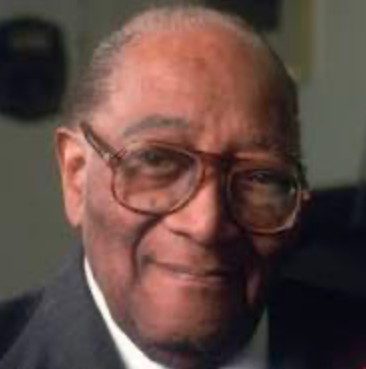
James Augustus Van Der Zee was pioneering African-American photographer who made significant contributions to the art world during the Harlem Renaissance. Born on June 29 1886 in Lenox, Massachusetts. Van Der Zee’s early exposure to photography at the age of fourteen played a crucial role in shaping his artistic vision. Through self-study and experimentation, he honed his skills and developed a unique style. This style captured the essence of African-American life in Harlem during the 1920s and 1930s. His work is celebrated for its artistic composition, its Attention to detail and its ability to showcase the vibrancy and culture of this historic period. Van Der Zee’s iconic portraits have earned him a lasting legacy in the world of photography.
The Metropolitan Museum of Art in New York City houses significant collection of his photographic images, 75,000, which offer a glimpse into the beauty and resilience of the African American community during a time of great social change. His subjects ranged from prominent figures such as Billie Holiday, Duke Ellington, Muhammad Ali, Benny Andrews, Jean Michel Basquiat, Romare Bearden, Countee Cullen, Miles Davis, Ossie Davis, Ruby Dee, Marcus Garvey and his United Negro Improvement Association (UNIA), and Bill “Bojangles” Robinson. He also captured everyday people who contributed to the rich tapestry of Harlem life. Through his lens, Van Der Zee captured individuals and moments. These moments reflected the cultural vibrancy of Harlem in its heyday.
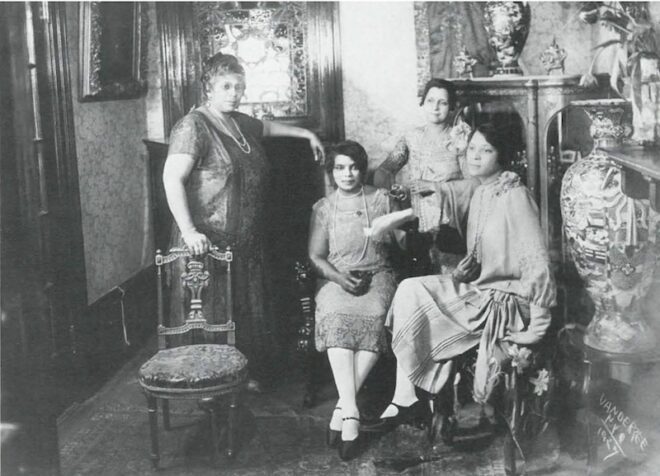
The Studio Museum in Harlem also holds a vast collection of over 20,000 images by Van Der Zee. The collection showcases his talent for studio portraits, street scenes and candid snapshots. After his passing in 1983 his archives were acquired by The Metropolitan Museum of Art in New York City. There, they continue to be preserved for future generations
This extensive collection offers a comprehensive look at Van Der Zee’s prolific career as photographer. It provides valuable insights into African-American history and culture during the early twentieth century. Van Der Zee’s photographic achievements are well-documented.
James Augustus Van Der Zee was also known for his personal life which included three marriages throughout his lifetime. Details about these relationships are not extensively recorded compared to his professional work. However, it is clear that these women played an important role in shaping Van Der Zee’s personal life alongside their own individual lives.
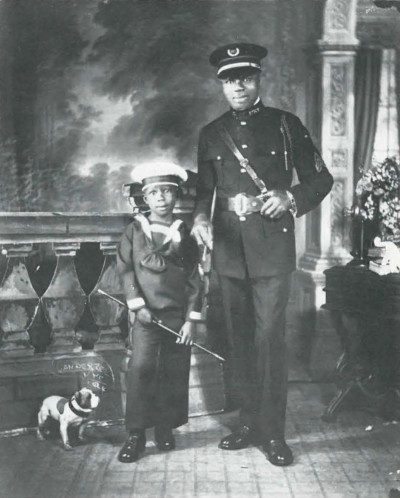
James Augustus Van Der Zee faced challenges as an African-American artist during a time when racial discrimination was prevalent. He persevered through dedication and passion for photography. His ability to capture moments that transcend time has left an indelible mark on art history. Future generations can appreciate both the beauty and historical significance of Harlem during its golden era.
James Augustus Van Der Zee’s unparalleled talent as a photographer has solidified him as one of the most influential artists associated with capturing black culture during the Harlem Renaissance era through photography. His works continue to be celebrated globally for their artistic merit, attention to detail and vibrant compositions. They hold historic significance while showcasing beauty and resilience within communities affected by social changes.
James Augustus Van Der Zee, born on June 29 1886 in Lenox, Massachusetts, was a renowned African-American photographer who is best known for his iconic portraits of Harlem during the Harlem Renaissance. His mastery of photography is often attributed to his early exposure, at the age of fourteen, to the art form. A good deal of his technique was developed through self-study and experimentation.