
Artist Norman Wilfred Lewis a Social Justice Artist
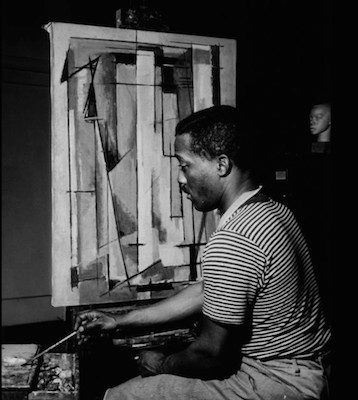
Norman Wilfred Lewis was a prominent African-American painter, scholar and teacher. He along with fellow artists Romare Bearden and Ernest Crichlow sought to bring attention to struggles of black urban life through his abstract expressionist art. Born on July 23, 1909 in Harlem, New York City. Norman Wilfred Lewis experienced firsthand the challenges faced by African-Americans in the early 20th century. His work often reflected social and political issues of his time. This made him a pioneer in using art as a means of activism and social commentary.
Norman Wilfred Lewis was deeply influenced by the Harlem Renaissance. A cultural movement that celebrated African-American culture and artistic expression.
Through Norman Wilfred Lewis unique style of painting, he sought to capture the essence of black urban life in the United States. He depicted themes of struggle, resilience and hope.
Norman Wilfred Lewis “Migrating Birds” series and its symbolism
One of Lewis’s most famous works is “Migrating Birds.” It is a powerful painting that symbolizes journey of African-Americans seeking freedom and equality. The piece is characterized by its bold use of color. Dynamic brushstrokes reflect Lewis’s commitment to expressing complex emotions through abstract forms. In addition to his work as a painter, Lewis was also an accomplished scholar. He was a teacher. He taught at various institutions throughout his career including Columbia University and the Art Students League of New York
As educator Lewis encouraged his students to explore their own unique artistic voices. He also urged them to use their talents for social change. Throughout his life, Norman Wilfred Lewis remained dedicated to using art as tool for addressing social injustices. He promoted racial equality. He believed that artists had responsibility to engage with the world around them. They should challenge societal norms through their work. By focusing on black urban life struggles in the United States, Lewis made a significant impact on the art world. His abstract expressionist art paved the way for future generations of artists to use their creativity as force for positive change.
Norman Wilfred Lewis, Romare Bearden and Ernest Crichlow co-found the Cinque Gallery
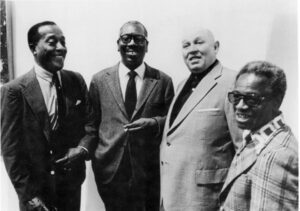
Throughout his career Lewis developed close relationships with other influential artists of time. This included Romare Bearden and Ernest Crichlow. These collaborations enriched his artistic vision. They also contributed to overall development of African American art during this period. Lewis’s relationship with Romare Bearden was particularly noteworthy. Both artists shared deep appreciation for African American culture and history. They often collaborated on projects that explored themes of race, identity. Also social justice.
This cooperative space provided platform for emerging black artists to showcase their work and connect with other members of Harlem Renaissance community. Through collective efforts Lewis and his peers were able to carve out space for themselves within art world. They paved way for future generations of African-American artists to thrive. Overall, Norman Lewis’s relationships with Romare Bearden Ernest Crichlow and other Harlem Renaissance artists were instrumental in shaping his artistic legacy. Through collaboration and innovation. These individuals worked together to challenge societal norms and push boundaries within the art world.
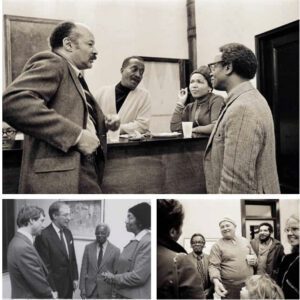
Left: Ernest Crichlow, Ruth Jett with Cinque Gallery friends, c. 1990s
Right: Ernest Crichlow, Romare Bearden, Herbert Gentry and family at Cinque Gallery, c. 1970−73. © ChesterHiggins/chesterhiggins.com
Their friendship extended beyond the realm of art. They frequently engaged in discussions about politics and activism. Similarly Lewis’s association with Ernest Crichlow allowed him to further expand his artistic horizons. Crichlow’s bold use of color and form inspired Lewis to experiment with new techniques and styles in his own work. Together, they challenged traditional notions of what African American art could be. They pushed boundaries and broke barriers. In response to lack of representation for African American artists in mainstream galleries Lewis helped establish Cinque Gallery in New York City.
Norman Wilfred Lewis’s commitment to capturing complexities of black urban life through abstract expressionism has left indelible mark on both the art world. And society at large. Through his work he challenged conventions. He sparked important conversations and inspired countless others to use their creative talents for meaningful and transformative purposes.