
Voices of Change: The Legacy of Orde Coombs
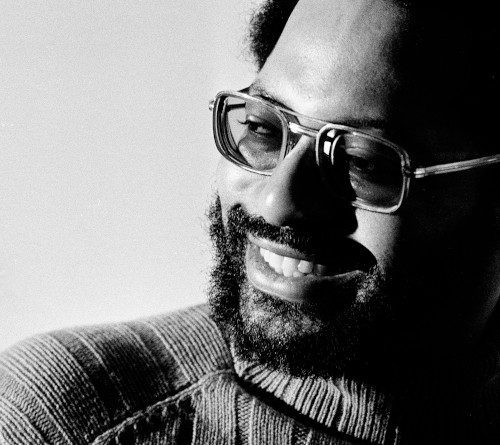
Orde Coombs, born on the island of Saint Vincent in the Caribbean on June 3, 1939, was a trailblazer in the worlds of academia and media. He received his B.A. degree from Yale University in 1965. And he made history as the first Black student initiated into the prestigious secret society Skull and Bones. This accomplishment was a testament to his intelligence determination and ability to thrive. He excelled in environments that were not traditionally welcoming to people of color
After completing his undergraduate studies, Coombs earned his M. A. degree from New York University in 1971. He then embarked on a successful career as an editor. He worked for Doubleday & Company and later for McCall Corporation. His work as an editor allowed him to shape and influence the literary landscape. He showcased his keen eye for detail and a passion for storytelling
In addition to his work as an editor Coombs also produced documentaries on West Indian culture. These documentaries shed light on the rich history and traditions of his homeland. His dedication to preserving and sharing cultural heritage through film was a reflection of his deep sense of pride and connection to his roots.
Educator and Talk Show Host
Coombs’s impact extended beyond the world of literature. He also shared his knowledge and expertise with students as an adjunct professor at New York University. His commitment to education was evident. It was shown in his engaging teaching style. He also mentored aspiring writers and filmmakers.
One of Coombs’s most notable achievements was co-hosting “Black Conversations,” talk show that aired on WPIX in 1975. Through this platform he facilitated important conversations about race and social issues affecting Black communities. His role as host allowed him to amplify diversity.
Orde Coombs was a prominent writer for New York Magazine in the 1960s known for his insightful and thought-provoking articles. He was a master of his craft. He could capture the essence of New York City in a way that few others could. His writing style was both eloquent and engaging. It drew readers in with vivid descriptions and keen observations.
Investigative Reporting
Coombs had a unique ability to delve deep into the heart of a story, uncovering hidden truths and shedding light on important issues. His articles were often controversial. He challenged readers to think critically about the world around them. He tackled subjects ranging from politics to culture always approaching them with a fresh perspective and an open mind.
One of Coombs’ most memorable pieces was his exposé on corruption within the city government. In this article, he uncovered a web of deceit and dishonesty that went all the way to the top. His reporting led to several high-profile resignations. It sparked widespread outrage among New Yorkers. It was a testament to Coombs’ dedication to uncovering the truth no matter how difficult or dangerous it may be.
In addition to his hard-hitting investigative pieces Coombs also had talent for capturing the beauty and vibrancy of New York City. His travel articles were filled with lush descriptions. The bustling streets and vibrant neighborhoods painted a picture of the city. It was both romantic and realistic. He had an eye for detail. This allowed him to bring even the most mundane scenes to life on the page.
Literary Scene in the 1970s and 1980s
Writer Orde Coombs was prominent figure in the African-American literary scene during the 1970s and 1980s. His works include “Do You See My Love For You Growing?” (1972) and “Sleep Late With Your Dreams” (1977).
In “Do You See My Love For You Growing?” (1972) Coombs explores themes of love, identity and self-discovery through a series of poignant poems. The collection delves into the complexities of relationships. These include both romantic and familial ties as well as the struggles of being black man in America. Each verse invites readers to reflect on their own experiences of love and longing.
“Sleep Late With Your Dreams” (1977) is a deeply personal collection that reflects Coombs’ own journey towards self-acceptance and fulfillment. The poems in this volume speak to the universal human experience. They illustrate the yearning for something more while grappling with inner demons. Coombs’ introspective voice resonates throughout each stanza. It offers solace to those who have ever felt lost or alone.
Collaborations with Chester Higgins, Jr.
“Drums Of Life” (1974) is collaboration between Orde Coombs and photographer Chester Higgins Jr. This groundbreaking work combines Coombs’ evocative poetry. Also Higgins’ striking black-and-white photographs. Together, they create powerful visual narrative of African-American life.
Through their artistry, Coombs and Higgins shed light on the beauty and resilience of black communities in the face of adversity.
In “Some Time Ago: A Historical Portrait Of Black Americans From 1850–1950″ (1980), Orde Coombs and Chester Higgins Jr. delve into the rich tapestry of African-American history from slavery to freedom. Through meticulously researched essays and stunning photographs they illuminate key moments in black American life during a pivotal century. Honoring the struggles and triumphs of their ancestors, Coombs and Higgins pay tribute to the resilience and fortitude of generations past. Coombs’ writing style is characterized by its lyrical prose. It has vivid imagery. It also possesses deep emotional resonance. He effectively captures the essence of black culture and history.
“Black Woman – Band 1”, Chester Higgins, Harold McDougall, is a powerful and enlightening exploration of the beauty strength and resilience of black women. Through striking photographs and insightful commentary, Higgins captures the essence of black womanhood in all its complexity and diversity.
Overall Orde Coombs’ body of work stands as a testament to his enduring legacy as a writer. He captured the essence of black culture with grace and sensitivity. His words resonate with readers across generations, inviting contemplation of their own place within the broader tapestry of human experience. And collaborations with artists like Chester Higgins Jr., Coombs leaves behind a powerful legacy. It will continue to inspire future generations for years to come. (June 3, 1939 – September 1, 1984)
A note from Chester Higgins sheds light on how he and Orde Coombs became collaborators: At a reception in NYC in the Summer of 1969 the Senior Editor of “Ebony Magazine” Peter Bailey met the new book editor of McCalls, Orde Combs. Peter having just seen my portfolio of portraits on Black Woman involving the freedom rights movement brought my work to Orde’s attention. The next day I got a call from Orde who wanted to see these photographs. He was excited to produce this kind of work. Within weeks he contracted me to publish my first book Black Woman which was published in the Summer of 1970.