
Robert Smalls: From Enslaved Pilot to Civil War Hero and Congressman
In the coastal port of Beaufort, South Carolina, young Robert Smalls was raised in the home of his enslaver. By his teens, he had mastered the waterways, learning how to navigate the tides, ships, and systems that would one day play a crucial role in his historic escape. Even as an enslaved man, Smalls studied naval movement, harbor protocols, and Confederate vulnerabilities. He was a man preparing—quietly and patiently—for his moment.
Week 1: Breaking Barriers in the 19th & Early 20th Century
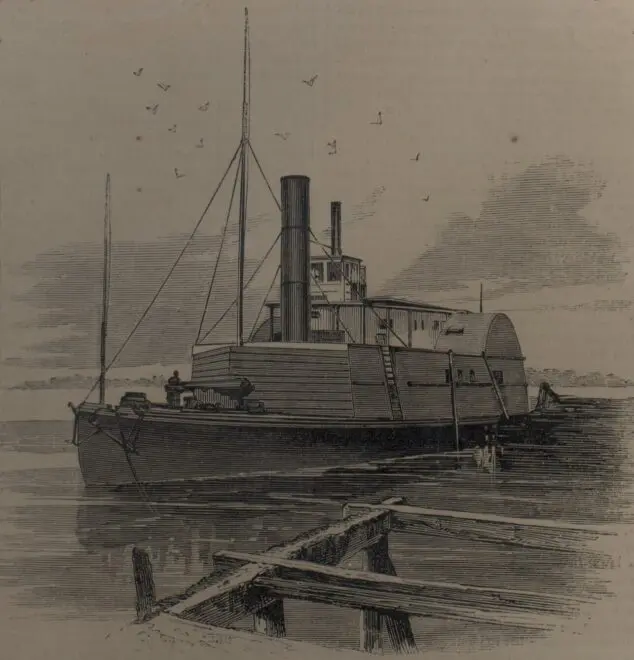
That moment came on May 13, 1862. Smalls, then 23 years old, was working as the pilot of the Confederate transport steamer CSS Planter. The vessel was used to deliver weapons, ammunition, and supplies to Confederate outposts. Smalls knew the ship, the routes, and the military protocols.
In a daring act of courage and strategy, Smalls and a crew of fellow enslaved men took control of the Planter in the pre-dawn hours while the white officers were ashore. Disguised in the captain’s uniform, Smalls navigated the heavily guarded Charleston harbor, using the correct Confederate signals to avoid detection. Once past Fort Sumter, he raised a white flag and surrendered the ship to the Union Navy.
A Hero to the Union Cause
Smalls’ act was a sensational moment for the Union war effort. He delivered not only the vessel but also valuable intelligence about Confederate defenses in Charleston. For his bravery, Smalls and his crew were declared heroes.
He was awarded prize money for the captured ship, which he used to purchase his former owner’s home in Beaufort. More significantly, Smalls’ escape was used by abolitionists and Union supporters as powerful evidence of the courage and intelligence of Black Americans. His story circulated widely in Northern newspapers and helped persuade President Abraham Lincoln to authorize the enlistment of Black soldiers.
Civil War Contributions
After his escape, Smalls continued to serve the Union. He was made a civilian pilot for the U.S. Navy and later commissioned as an officer in the South Carolina state militia. He participated in several military engagements, including the Second Battle of Fort Sumter and operations around Charleston.
Smalls’ familiarity with the Southern coast made him an invaluable asset to Union forces. He was a rare figure—both a skilled tactician and a symbol of African-American patriotism during the war. His continued service reinforced the idea that Black men were not only capable but essential to the Union’s cause.
Political Career: From Soldier to Statesman

Following the war, Smalls turned to politics. In 1868, he was elected to the South Carolina House of Representatives, and later to the State Senate. His most impactful role came when he was elected to the U.S. House of Representatives, where he served five nonconsecutive terms between 1875 and 1887.
As a congressman, Smalls advocated for:
- Public education funding
- Civil rights protections for African-Americans
- Support for Black veterans and the Freedmen’s Bureau
He was one of the last Black congressmen of the Reconstruction era and fought tirelessly against the rise of Jim Crow laws. His speeches in Congress warned against white supremacist violence and efforts to suppress Black voting rights.
Challenges and Setbacks
Smalls’ career was not without challenges. As Reconstruction ended and white supremacists regained power across the South, Smalls and his fellow Black legislators were systematically pushed out of office. He was often the target of voter intimidation tactics and fraudulent elections.
Despite this, Smalls remained committed to public service. He served as the U.S. customs collector for Beaufort, a post he held under multiple administrations, including Republican and Democratic presidents.
Legacy of a Trailblazer
Robert Smalls died in 1915, but his legacy endures. He lived a life that defied the odds: born into slavery, he seized his own freedom, helped defeat the Confederacy, and shaped national policy as a congressman.
His life is a testament to the resilience and brilliance of African-Americans in the face of oppression. Today, schools, ships, and military installations bear his name. His story is taught in history classes as an example of leadership, bravery, and the true meaning of American citizenship.
Why Robert Smalls Matters Today
In today’s debates over who gets to be remembered and celebrated in American history, Robert Smalls stands as a powerful figure. His story challenges narratives that limit Black participation to the margins of national importance. Smalls was a hero, a patriot, and a leader who helped shape the course of the Civil War and the Reconstruction era.
His life encourages us to ask hard questions about freedom, power, and inclusion—questions we’re still asking today. In remembering Robert Smalls, we remember the America that could be, and the individuals who dared to make it real.
WATCH: The US Congressman who Escaped Slavery | The Life & Times of Robert Smalls
AfricanAmericanValorSeries #RoutesMagazine #BlackMilitaryHistory #MilitaryHeroes #WWI #WWII #CivilRights #BlackExcellence #USMilitaryHistory #UntoldStories #BlackHistory365