
Sutton Elbert Griggs, Baptist Minister
Sutton Elbert Griggs was a prominent African-American author, Baptist minister and social activist in late 19th and early 20th centuries. Born on June 19, 1872, Griggs grew up in Texas during a time of intense racial segregation and discrimination. Despite these challenges, he went on to become a respected figure in both literary and religious worlds. Using his platforms to advocate for social justice and equality for African-Americans.
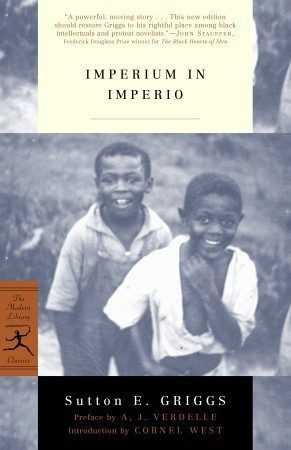
Griggs is best known for his novel “Imperium In Imperio.” Which was published in 1899. The novel is groundbreaking work that envisions a separate African-American state within the United States. It challenges the prevailing notions of racial hierarchy and segregation.
Through the story of two childhood friends who find themselves on opposite sides of a political conflict within this fictional Black state. Griggs explores themes of power, identity and resistance. One of the most striking aspects of “Imperium In Imperio” is its utopian vision of an alternative reality. This reality is where African-Americans achieve self-governance and autonomy within a racially hostile society. By imagining such possibility, Griggs offers readers a glimpse into what could be. He also critiques existing power structures that perpetuate inequality and oppression. In addition to his literary achievements, Griggs was deeply involved in social activism and community organizing. He used his pulpit to speak out against racism and injustice. As Baptist minister he advocated for education and economic empowerment within African- American communities.
Through collective action and solidarity, he believed Black people could overcome systemic barriers to equality. Griggs’s commitment to social justice extended beyond his writing and preaching. He was actively involved in organizations such as the National Afro-American Council and the National Association for Advancement of Colored People (NAACP). Through advocacy work, he sought to mobilize African-Americans around issues such as voting rights anti-lynching legislation. He also focused on access to quality education. Despite facing numerous challenges throughout his life due to racism and discrimination, Sutton Elbert Griggs remained steadfast in his commitments. His legacy continues to inspire generations of writers, activists and scholars. (June 19, 1872 – January 2, 1933)