
The Tuskegee Airmen: Fighting Racism at 15,000 Feet
A Bold Experiment in a Divided Nation
In 1941, as war threatened Europe and the Pacific, the U.S. military — under pressure from civil rights leaders — authorized the creation of the Tuskegee Airmen, the first African-American military pilots in U.S. history. Their training began at the isolated Tuskegee Army Air Field in Alabama, chosen as much for its segregation-era distance as for its aviation facilities. More than 900 Black pilots, alongside African-American navigators, bombardiers, mechanics, instructors, and support crews, were not just preparing to fly combat missions — they were preparing to challenge a nation that had long insisted they didn’t belong in the cockpit or in command.
Week 4: The Civil Rights Era, Vietnam, & Modern Leadership
The Skies Weren’t Segregated
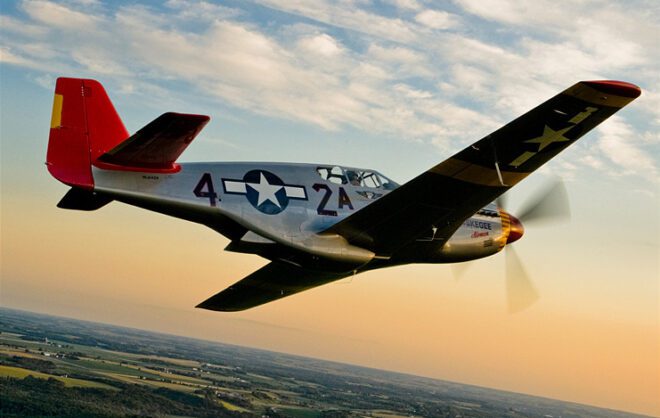
Once deployed, the Tuskegee Airmen joined WWII’s European theater, flying P-40 Warhawks, P-47 Thunderbolts, and eventually the iconic P-51 Mustangs with the unmistakable red-painted tails. Their mission: escort Allied bombers deep into enemy territory and defend them from German fighters.
By war’s end, they had flown more than 15,000 sorties, and earned a reputation for discipline, precision, and protection. Their bomber escort performance was so respected that bomber crews requested the “Red Tails” specifically.
Their achievements included:
112 enemy aircraft destroyed in the air
273 aircraft damaged or destroyed on the ground
Dozens of pilots awarded Distinguished Flying Crosses and Air Medals
But their greatest achievement was not in kills or medals — it was in shifting the perception of what Black servicemen were capable of.
Fighting Two Wars at Once
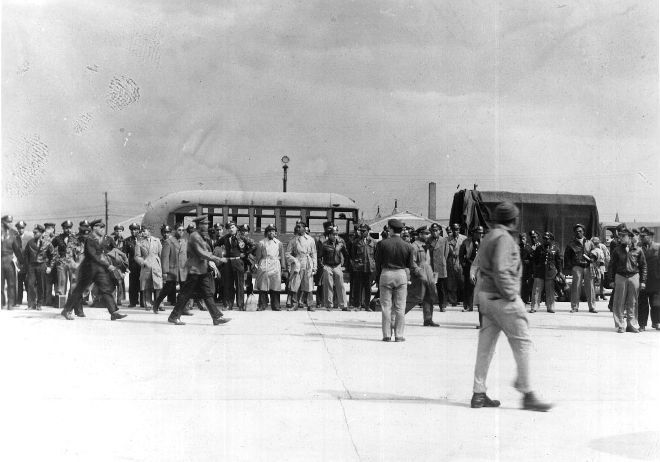
The Freeman Field Mutiny became an early act of civil disobedience that echoed into later demands for full integration, laying moral groundwork for what would follow.
Even as they fought the Axis abroad, the Tuskegee Airmen battled racism at home. They faced discrimination on base, in housing, in promotions — and in basic dignity.
At one point in 1945, dozens of Tuskegee officers were arrested during the Freeman Field Mutiny, a nonviolent protest against segregated officer clubs. The charges were eventually dropped, but the message was clear: these men weren’t just soldiers — they were civil rights pioneers in uniform.
Their performance helped make desegregation not just a moral argument, but a strategic one. In 1948, just three years after the war, President Harry Truman issued Executive Order 9981, integrating the U.S. Armed Forces — a direct outcome of the Tuskegee Airmen’s success.
Legacy That Soars
The Tuskegee Airmen returned home heroes — but still faced barriers to advancement and recognition. It would take decades for their full impact to be formally honored.
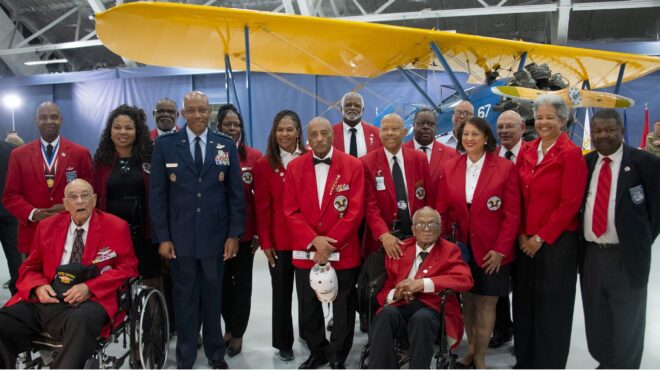
In 2007, they received the Congressional Gold Medal, one of the highest civilian honors, recognizing their contribution to freedom abroad and justice at home. The legacy continued through later generations of Black pilots and commanders — including General Benjamin O. Davis Jr., who led the airmen and later became the first Black general in the Air Force.
Today, the term “Tuskegee Airmen” evokes excellence, courage, and the determination to rise above. They weren’t just part of history — they altered it, at altitude.
#TuskegeeAirmen #RedTails #AfricanAmericanValorSeries #WWIIHeroes #BlackHistory #MilitaryExcellence #RoutesMagazine
WATCH: Red Tail Angels – The Story of The Tuskegee Airmen Episode 01
WATCH: TUSKEGEE AIRMEN: Charles McGee | World War 2 Heroes
WATCH: Hegseth responds after uproar over removal of Tuskegee Airmen videos
WATCH: Tuskegee Airmen Documentary