
Music: WRVR-FM JAZZ RADIO | 8/1978
Jazz is in the air and WRVR-FM is the station for it. America’s only legitimate contribution to world culture, long admired by Europeans, Africans and Asians alike, has finally become commercially acceptable in the land that gave it birth.
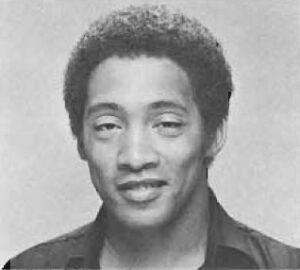
Merging Fusion, the music newest label, with traditional Jazz (swing, be-bop, dixieland, blues, cool, etc.), WRVR’s jocks are playing what the people want to hear. ‘‘We get 200 calls every time our request line is open,’’ says Doug Harris, the stations’ Music Director and afternoon drive-time DJ. ‘‘And people ask for groups and albums we normally would play during the week anyway. Sure, there are the purists who want to hear Coltrane and Hawkins but usually the ones who complain about what we play when they condemn the station for being “commercial’’ don’t even have an ear for Jazz; many can’t tell the difference between Trane and the Hawk if they were played back to back!’
Why all the hoopla over commercial Jazz? One wonders where were all the traditionalists when Jazz needed them. The list of musicians who were caught up in Jazz’s No. 1 occupational hazard—drugs—all suffered from a notorious lack of income; Charlie
‘Bird’ Parker, Billie Holiday and even, at one time, ‘‘the man” himself, Miles Davis, were all caught up in the miasmatic world that was jazz.
Yes, times have indeed change. Today’s Jazz musician is young, adventurous and, more important, has his act together; Stanley Clarke, Return to Forever and Chuck Mangione, to name a few, constantly top the charts—Jazz as well as pop—with their brand of music. Established, older musicians like Yusef Lateef, Stanley Turrentine, Donald Byrd and Maynard Ferguson have joined the new movement with albums that not only bring pleasure to their fans but also sell enough to pay the mortgage.
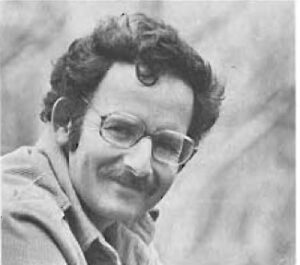
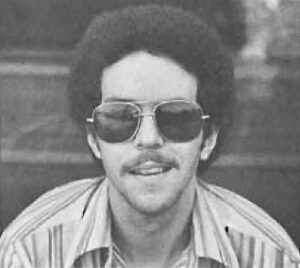
WRVR’s jocks are aware of this new trend; Les Davis, G.Keith Alexander, Harris, Herschel, Rob Crocker all work from a record library that includes everything anyone might want to hear, Django Reinhardt’s classic guitar stylings of the thirties might be played with the most recent, supper club-slick George Benson release; Louis ‘‘Pops’’ Armstrong’s prototypical trumpet playing shares the airwaves with Freddie Hubbard’s melodic sound; while Art Tatum’s piano magic is joyously blended with Ray Bryant’s 1970s boogie-woogie finger striding. WRVR plays it all, 24 hours a day.
The station’s listening audience is growing by leaps and bounds; their latest ratings confirms that they are reaching a whole new audience consisting of young whites, tired of Top 40 pablum, as well as hip Blacks and Latinos who were initially attracted to Disco until it became redundant.
The jocks at New York’s only Jazz station realize you cannot Just play music for an elite segment of the audience and survive in today’s hard nose communications industry. In this country success is measured by profit, that’s cold reality, and that is why today’s musicians and radio stations alike are playing songs for the people not for themselves.
Addendum: The Evolution of Jazz and WRVR’s Legacy in 2024
It’s been over four decades since WRVR-FM carved out its niche as New York’s premier jazz station, introducing fusion to the masses and blending the timeless sounds of swing, bebop, and blues with the contemporary stylings of artists like Stanley Clarke and Chuck Mangione. The station’s bold approach to making jazz commercially viable not only redefined how the genre was consumed but also laid the groundwork for the jazz renaissance we see today.
Jazz Thrives in the Digital Age
Fast forward to 2024, and the spirit of WRVR continues to resonate across digital airwaves and streaming platforms. Jazz, once a background hum in smoky clubs, now thrives in the playlists of Gen Z and Millennials, thanks to the resurgence of vinyl and the global embrace of jazz-adjacent genres like neo-soul, lo-fi, and experimental R&B.
Artists such as Kamasi Washington, Robert Glasper, and Snarky Puppy are carrying the torch lit by WRVR’s pioneers, fusing jazz with hip-hop, funk, and electronic elements in ways that honor tradition while pushing boundaries.
WRVR’s Influence on Modern Radio
The influence of WRVR’s eclectic playlist—where Louis Armstrong might lead into Freddie Hubbard, and Art Tatum shared airtime with George Benson—can be heard in today’s jazz radio programs and podcasts.
Stations like WBGO in Newark and platforms like NPR’s “Jazz Night in America” continue to bridge the gap between jazz purists and a younger, diverse audience hungry for authenticity and groove. These programs keep jazz alive by curating selections that reflect the genre’s rich past and vibrant present.
The Rise of Jazz Festivals and Crossover Artists
Jazz festivals across the U.S. are experiencing record attendance. The Newport Jazz Festival, once a bastion of straight-ahead jazz, now boasts lineups featuring crossover artists like Thundercat and Anderson Paak alongside legends such as Herbie Hancock and Branford Marsalis.
This blend echoes WRVR’s pioneering ethos—give the people what they want, but make sure they get what they need musically. The festival circuit reflects how jazz continues to evolve, seamlessly integrating new influences while preserving the core of the genre.
Preserving WRVR’s Legacy
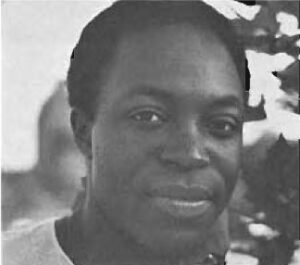
In a nostalgic twist, WRVR’s legacy lives on through online archives and community-driven revival projects. Dedicated listeners digitize old shows, keeping alive the memories of G.Keith Alexander, Les Davis, Rob Crocker, and Doug Harris.
New York’s jazz clubs — Blue Note, Smalls, and The Village Vanguard — tip their hats to WRVR, often spinning classic recordings from the very artists the station championed. The cultural memory of WRVR remains strong, with clubs frequently hosting tribute nights that celebrate the station’s contribution to jazz history.
Jazz’s Continuous Evolution
WRVR’s story reminds us that jazz, much like the city it thrives in, constantly reinvents itself while staying rooted in its heritage. The same fusion that once ruffled the feathers of purists is now celebrated as a critical chapter in jazz history.
Today’s musicians stand on the shoulders of WRVR’s visionary DJs, proving that the genre’s evolution is not only inevitable but essential. So the next time you find yourself streaming a Robert Glasper track that seamlessly morphs from Coltrane-like saxophone solos to hip-hop beats, remember—WRVR did it first.