
🪖 Colin Powell: Harlem’s Son Who Led the U.S. Military
From the streets of the Bronx and Harlem to the Situation Room at the White House, Colin Powell rose to become one of the most influential military and political leaders in American history. As the first African-American Chairman of the Joint Chiefs of Staff and later the first Black Secretary of State, Powell’s career shattered barriers — yet remained grounded in humility, service, and a steadfast sense of duty.
Week 4: The Civil Rights Era, Vietnam, & Modern Leadership
🟣 Early Life: The Making of a Soldier

Born in 1937 to Jamaican immigrant parents, Powell grew up in the South Bronx and Harlem during the tail end of the Great Depression. While he was no stranger to hard times, Powell often credited his upbringing, education, and the streets themselves for instilling toughness and adaptability.
He discovered the ROTC at City College of New York — a decision that changed his life.
“It was the first time I felt like I belonged to something,” Powell later recalled.
He was commissioned as a second lieutenant in the U.S. Army in 1958, setting the course for a historic career.
🟣 Service in Vietnam: Trial by Fire
Powell served two tours in Vietnam, where he not only proved his competence but his courage. In 1968, after surviving a helicopter crash, he pulled fellow soldiers from the wreckage despite his own injuries — an act that earned him the Soldier’s Medal.
However, Powell also witnessed firsthand the complex racial dynamics among soldiers.
“We were all thrown together, and under fire, race seemed to matter less. But when the shooting stopped, you still felt it,” he would later say.
🟣 Climbing the Ranks — And Breaking Them

Powell’s career trajectory was nothing short of extraordinary. After returning from Vietnam, he advanced steadily, eventually becoming:
National Security Advisor under President Ronald Reagan
Four-star General and Commander of U.S. Forces during Operation Desert Storm (1991)
The first Black Chairman of the Joint Chiefs of Staff (1989–1993)
Powell became the face of victory after the swift coalition success in the Gulf War. His steady demeanor, directness, and “Powell Doctrine” — advocating clear objectives and decisive action in military engagements — won respect across political lines.
🟣 The First Black Secretary of State
In 2001, Powell became the first African-American to serve as Secretary of State, shaping foreign policy in the tense post-9/11 world.
His career wasn’t without controversy. Powell expressed regret over his 2003 UN speech regarding Iraq’s weapons of mass destruction — a moment he later called a “blot” on his record.
Yet, few questioned his integrity. Powell consistently placed country above party, earning admiration even from critics.
🟣 Legacy: Service Before Self
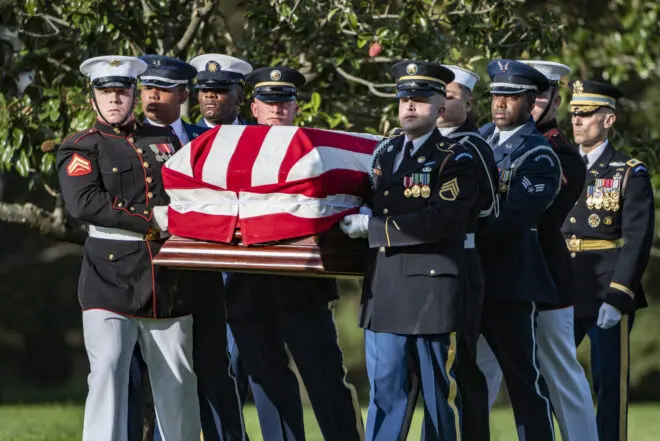
Powell passed away in 2021, leaving behind a legacy defined not just by his accomplishments but by his character. Known for humility, clarity, and leadership under pressure, Powell inspired generations — including many African-American officers who followed in his footsteps.
“Success is the result of perfection, hard work, learning from failure, loyalty, and persistence.” — Colin Powell
His story is a reminder that leadership is as much about humanity as it is about rank.
WATCH: Great Americans – Colin Powell
WATCH: Colin Powell: Kids need structure | TED
WATCH: Colin Powell explains why Trump shouldn’t be re-elected
#ColinPowell #AfricanAmericanValorSeries #DesertStorm #VietnamVeteran #USMilitaryHistory #RoutesMagazine #Leadership