
Ernest Crichlow, an American Artist
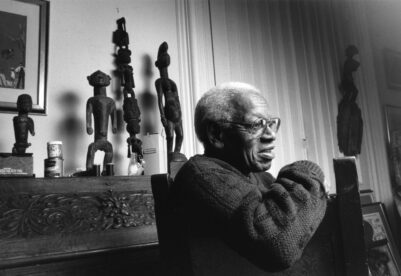
Ernest Crichlow was a prominent American social realist artist known for his powerful and thought-provoking works that captured the struggles and triumphs of African Americans. Born on June 19, 1914, in Brooklyn, New York, Crichlow’s artistic talent was evident from a young age. He later went on to study at the National Academy of Design and the Art Students League of New York, where he honed his skills and developed his unique style.
Throughout his career, Crichlow had exhibitions in Harlem where he showcased his works that depicted the everyday lives of African-Americans during a time of racial discrimination and social injustice. His paintings often portrayed scenes of urban life,
highlighting the resilience and strength of black communities in the face of adversity
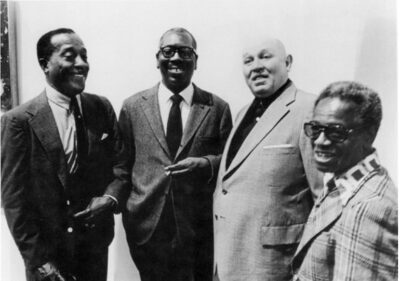
A significant contribution to the art world was Ernest Crichlow’s involvement with The Cinque Gallery (1969–2004), which he co-founded alongside artists Romare Bearden and Norman Lewis. The gallery was established as an outgrowth of the Black Power movement with the goal of providing a platform for unknown and neglected artists—primarily black artists—to showcase their talent. Through The Cinque Gallery, Crichlow helped elevate marginalized voices within the art community and promote diversity in artistic expression.
In addition to his exhibitions in Harlem, Crichlow’s
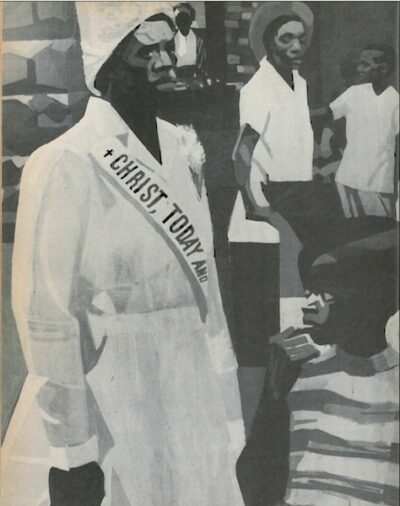
work was regularly shown in art galleries across the United States. His powerful images resonated with viewers from all walks of life and earned him recognition as one of the leading social realist artists of his time.
A significant contribution to the art world was Crichlow’s involvement with The Cinque Gallery (1969–2004), which he co-founded alongside artists Romare Bearden and Norman Lewis. The gallery was established as an outgrowth of the Black Power movement with the goal of providing a platform for unknown and neglected artists—primarily black artists—to showcase their talent. Through The Cinque Gallery, Crichlow helped elevate marginalized voices within the art community and promote diversity in artistic expression.
Aside from his work as a visual artist, Crichlow also made significant contributions to children’s literature as an illustrator. His illustrations brought stories to life for young readers and added depth and meaning to their reading experiences. Through his work in children’s literature, Crichlow continued to inspire future generations with his creativity and passion for storytelling.
Crichlow was also a contributor to Routes magazine — a publication dedicated to showcasing African-American culture—and had personal ties to publisher Ronald Bunn as they were second cousins. His connections within the literary world further solidified his impact on both visual arts and literature.
Ernest Crichlow’s legacy as an artist extends far beyond his impressive body of work; it is rooted in a commitment to uplifting marginalized voices through art. His dedication to promoting diversity and inclusivity within the art world paved the way for future generations of artists to express themselves freely without fear or limitation. (June 19, 1914 – November 10, 2005)
Oral history interview with Ernest Crichlow, July 20, 1968, by Henri Ghent for Archives for American Art.