
Part 3. – Miles Davis and the Evolution of Jazz Fusion from Classical Roots
Jazz has always been a dynamic art form, evolving and reshaping itself with each passing decade. Among the countless innovators who redefined the genre, Miles Davis stands out not only for his groundbreaking music but for his fearless embrace of change. From his work with Gunther Schuller on Birth of the Cool to his genre-defying albums like In a Silent Way and Bitches Brew, Davis continually pushed boundaries, paving the way for jazz fusion and reshaping the musical landscape.
This exploration of Miles Davis highlights his evolution as an artist, focusing on the impact of classical influences on his early work and his trailblazing journey into jazz fusion — a movement that forever altered the sound and scope of jazz.
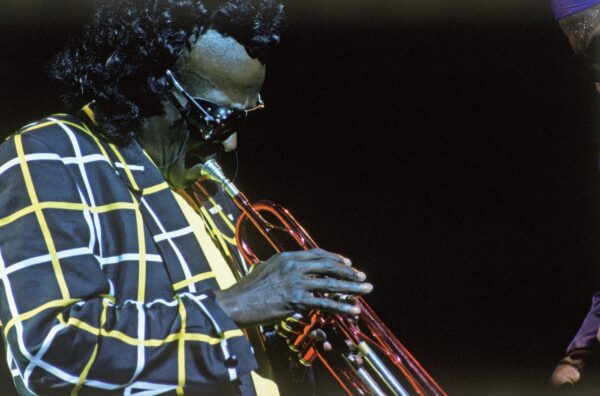
The Birth of the Cool: Miles Davis Meets Classical Music
In 1949, Davis collaborated with Gil Evans, Gunther Schuller, and an ensemble of talented musicians to record what would later be called Birth of the Cool. The project was revolutionary, blending jazz’s improvisational elements with the lush, orchestral textures of classical music. Schuller’s French horn and orchestration expertise added an unexpected depth to the arrangements, creating a unique, hybrid sound that became a cornerstone of the Third Stream movement.
Birth of the Cool was more than just a series of recordings — it was a statement. Davis demonstrated that jazz could transcend the confines of smoky clubs and find a place in the concert hall. This project laid the groundwork for future explorations of genre fusion and established Davis as a forward-thinking artist unafraid to experiment.
The Transition: From Acoustic to Electric
By the mid-1960s, Davis was once again restless. His Second Great Quintet, featuring Herbie Hancock, Wayne Shorter, Ron Carter, and Tony Williams, was pushing the boundaries of acoustic jazz, incorporating avant-garde techniques and exploring freer forms of improvisation. But Davis saw an opportunity to expand even further, drawing inspiration from the electric sounds of rock, funk, and soul.
Albums like Miles in the Sky (1968) and Filles de Kilimanjaro (1969) marked a transitional phase, as Davis began incorporating electric keyboards, bass, and guitar into his music. These experiments hinted at what was to come, laying the foundation for the birth of jazz fusion.
The Fusion Revolution: In a Silent Way and Bitches Brew
In 1969, Davis released In a Silent Way, an album that signaled the dawn of jazz fusion. Featuring an all-star lineup, including Joe Zawinul, John McLaughlin, and Chick Corea, the record blended ambient textures with minimalist improvisation, creating a meditative soundscape that felt both expansive and intimate.
A year later, Davis unleashed Bitches Brew, a double album that shattered conventions and redefined what jazz could be. Combining the spontaneity of jazz with the raw energy of rock and the hypnotic grooves of funk, the album was a commercial and critical success. Tracks like Pharaoh’s Dance and Spanish Key showcased extended improvisations, layered instrumentation, and dense rhythms, capturing the zeitgeist of the late 1960s.
Bitches Brew wasn’t just an album — it was a cultural event, bridging the gap between jazz and a younger, more mainstream audience. Its influence extended beyond jazz, shaping the sound of funk, rock, and even hip hop in the decades to come.
Miles Davis and Gunther Schuller: Parallel Paths
While Davis was exploring the electric possibilities of jazz fusion, his early collaborator Gunther Schuller was advancing the Third Stream movement, blending classical and jazz in more formal settings. Their shared belief in jazz’s potential to evolve and incorporate new influences connected their artistic journeys, even as their paths diverged.
Schuller’s work with the Modern Jazz Quartet and his compositions like Transformation reflected his commitment to elevating jazz within the classical tradition. Davis, on the other hand, took jazz in a more visceral direction, embracing the raw, experimental energy of the counterculture era.
Despite their differences, both artists demonstrated that jazz was not a static genre but a living, breathing art form capable of endless reinvention.
Legacy: Jazz Fusion’s Enduring Influence
The impact of Miles Davis’s jazz fusion era cannot be overstated. His bold experimentation paved the way for groundbreaking bands like Weather Report, Return to Forever, and the Mahavishnu Orchestra, all of which expanded on the foundations he laid. His influence also extended to genres like funk and hip hop, with artists from Prince to Kendrick Lamar drawing inspiration from his boundary-breaking approach.
Similarly, Davis’s early forays into classical fusion with Birth of the Cool remain a touchstone for Third Stream music, influencing composers, arrangers, and jazz musicians seeking to blend tradition with innovation.
Conclusion: Revolutionary Spirits
Miles Davis’s career was defined by a revolutionary spirit — a refusal to remain stagnant and a relentless pursuit of the new. From his collaborations with Gunther Schuller to the electric brilliance of Bitches Brew, Davis demonstrated that jazz could encompass infinite possibilities.
His journey reminds us that music thrives on evolution, and true artistry lies in the courage to take risks and challenge conventions. As we celebrate the legacy of Miles Davis, we honor not just a musician but a visionary who changed the course of music history.
The Modern Jazz Quartet’s commitment to blending classical elegance with jazz’s improvisational heart stands as one of the most enduring legacies of the Third Stream movement. Alongside Gunther Schuller, MJQ not only embodied the theory of Third Stream but made it accessible, timeless, and revolutionary.
Their performances transcended genre, shattering preconceived boundaries and influencing generations of musicians across the globe. From the smoky clubs to grand concert halls, they proved that jazz, when paired with classical structure, could redefine what music could achieve.
As we conclude this three-part series, the legacy of Schuller, Miles Davis, and MJQ serves as a powerful reminder: music thrives at the intersections of tradition and innovation. The ripple effects of their collaboration can still be felt today, echoing through the works of artists who dare to break the mold and challenge the very definition of jazz.
So the next time you hear a jazz ensemble playing with a string section or a composer weaving blues lines into a concerto, remember – the seeds were planted by the bold visionaries who believed that music was never meant to be confined.
Miles Ahead: A Tribute to an American Music Legend
On November 6, 1983, Radio City Music Hall in New York City hosted “Miles Ahead: A Tribute to an American Music Legend,” a five-hour celebration honoring Miles Davis. The event featured performances by many of Davis’s former collaborators, with Bill Cosby serving as the master of ceremonies. Quincy Jones conducted the Slide Hampton Big Band, presenting arrangements by Gil Evans. Davis himself performed a set with his then-current band, including Bill Evans on saxophone, John Scofield on guitar, Darryl Jones on bass, Al Foster on drums, and Mino Cinelu on percussion. At the end of the evening, Davis received an honorary Doctor of Music degree from Fisk University.
This concert marked the final performance with Davis’s group for both Bill Evans and Mino Cinelu.
For a glimpse into that memorable night, you might find this video recording insightful:
View: Herbie Hancock, Marcus Miller, Wayne Shorter – Tribute to Miles – LIVE HD
View: Ron Carter – So What (live) – from A Tribute to Miles by Herbie Hancock | Wayne Shorter | Ron Carter
Publishing Schedule:
- January 13: Blending Jazz and Classical Music: Schuller, Davis, and MJQ.”
- January 15: How the Modern Jazz Quartet Blended Jazz and Classical Music to Create Something Timeless
In collaboration with AI research tools.