
Josephine Baker: Entertainer, Spy, and Civil Rights Icon
While much of the world knew Josephine Baker as a captivating performer, few realized that behind the stage lights and rhinestones, she was also a daring spy.
During World War II, Baker worked for the French Resistance, risking her life to smuggle intelligence against the Nazis. She became more than an icon — she became a fighter, blending artistry with activism, showmanship with sacrifice.
Week 3: World War II & The Fight for Military Integration
🟣 From St. Louis to Paris: The Making of a Star
Born in St. Louis in 1906, Josephine Baker rose from poverty and racial discrimination to become one of the most famous entertainers in the world. After moving to France in the 1920s, she captivated Parisian audiences with her charisma, dance, and magnetic stage presence, becoming the first Black woman to star in a major motion picture and headline the Folies Bergère. More importantly, in France, Baker found freedom — freedom from the racism that had haunted her youth.
🟣 The French Resistance and a Hidden Life
When World War II engulfed Europe, Baker joined the Deuxième Bureau (French military intelligence) and became an undercover agent. Using her celebrity status as camouflage, she gathered intelligence from enemy diplomats and military officials. Hidden inside sheet music, in invisible ink, or memorized, Baker smuggled secrets across borders.
Her home became a safe house for Resistance fighters and Jewish refugees. Her willingness to risk everything, while performing and touring as a cover, made her indispensable to the Allied cause.
“I have two loves,” she famously said. “My country and Paris.”
🟣 Post-War Activism, Motherhood, and the Fight for Equality
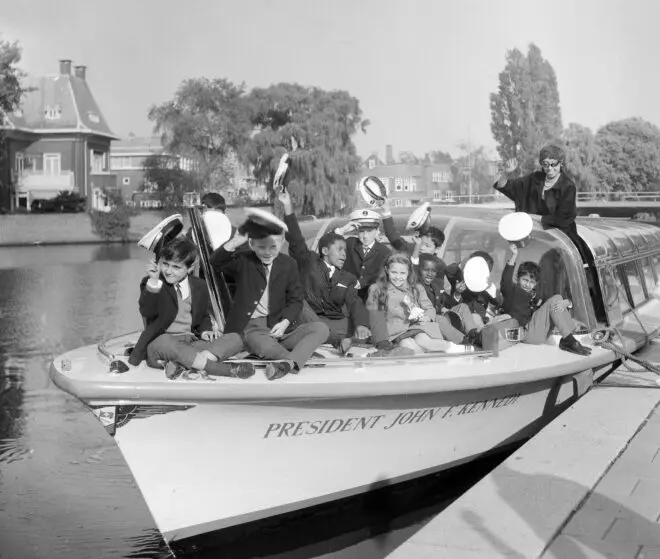
After the war, Josephine Baker didn’t just speak about racial harmony — she lived it. At her home, the Château des Milandes, she adopted twelve children of various nationalities and ethnicities, calling them her “Rainbow Tribe.” She raised them herself, determined to prove that racial coexistence was not only possible but beautiful.
Throughout the 1950s and 60s, Baker remained a fierce advocate for civil rights, returning to the United States to challenge segregation. She was the only woman to speak at the 1963 March on Washington, standing beside Dr. Martin Luther King Jr. in her French military uniform, decorated with the Croix de Guerre and Rosette de la Résistance.
Following Dr. King’s assassination, Coretta Scott King asked Josephine to take over leadership of the Civil Rights Movement. Baker declined, saying:
“My children are too young to lose their mother.”
Her activism remained steady, both on stage and behind the scenes.
🟣 Legacy Beyond the Spotlight
When Josephine Baker died in 1975, she was honored with a French military funeral — the first American-born woman to receive such an honor. Though buried in Monaco, her legacy was forever tied to France. In 2021, Baker became the first Black woman and first American-born citizen honored at the Panthéon, where France inters its national heroes.
President Charles de Gaulle once remarked:
“She was the symbol of France’s grandeur. She loved this country and proved it through the risks she took.”
More than just a performer, Baker lived with courage, dignity, and a profound commitment to freedom.
“I am not afraid,” she once said. “I have lived.”
And indeed, she did.
READ: Nefertiti in Balenciaga: The Dazzling Life of Josephine Baker | 11/1978
WATCH: Josephine Baker Becomes First Black Woman Honored At France’s Pantheon
WATCH: Josephine Baker | Living St. Louis
#JosephineBaker #FrenchResistance #AfricanAmericanValorSeries #WWII #CivilRights #BlackHistory #RoutesMagazine
AfricanAmericanValorSeries #RoutesMagazine #BlackMilitaryHistory #MilitaryHeroes #WWI #WWII #CivilRights #BlackExcellence #USMilitaryHistory #UntoldStories #BlackHistory365