
The Harlem Renaissance — Masterfully Curated at The Met
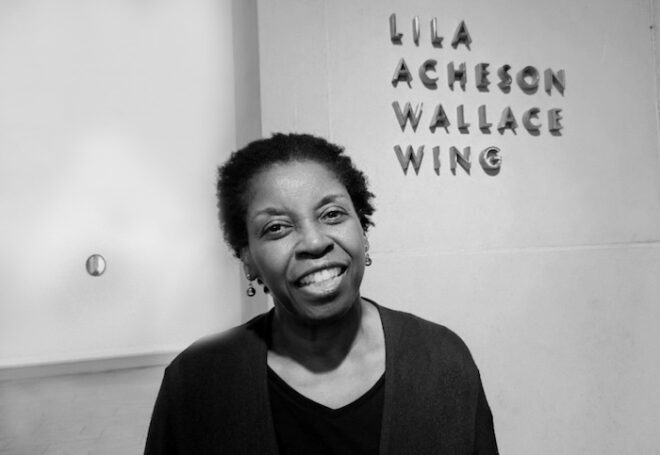
Ademola Olugebefola and I recently entered the ornate and cavernous lobby of the famed “Metropolitan Museum of Art” eager to check out the latest conversational “buzz” resonating through the African-American community about the “Harlem Renaissance and Transatlantic Modernism” exhibition. This exhibition, organized and curated by noted African-American scholar Dr. Denise Murrell, aims to convey the essence of a significant moment in early twentieth-century African-American cultural and social history.
Nuances of the highly controversial 1969 exhibition “Harlem on My Mind” still linger in the historical discourse surrounding the Met’s missteps around that storied exhibition. It was widely criticized for its lack of African-American input in organization and promotion. However, over a half century later, this current exhibition is completely different.
By exploring various art forms such as paintings, sculpture, photography, mixed media, and vintage film clips of music and dance, one can catch a captivating glimpse of the vibrant colors and rhythmic movements that have had a lasting impact on the cultural landscape in both America and Europe. Dr. Murrell has skillfully selected and presented a captivating visual journey providing insight into the historical context of the remarkable work in this exhibition.
Opening the expansive exhibition is a section entitled “The Thinkers,” illustrated with masterful depictions of literary luminaries such as poet Langston Hughes and Alain Locke.
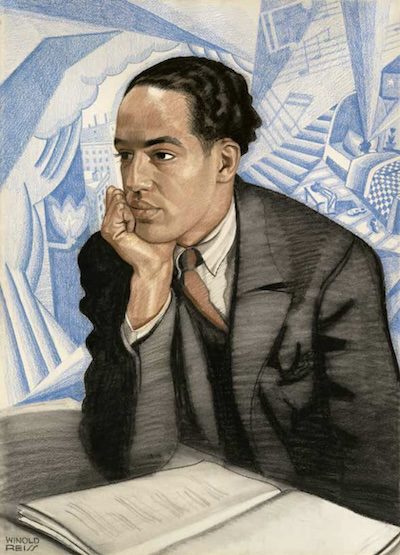
Even the most casual viewer is impressed with the sense of integrity and excellence of noted illustrators Winold Reiss and Laura Wheeler Waring.
Warings’ colorful painting of composer James Weldon Johnson is an outstanding addition to her series.
The “Harlem Renaissance and Transatlantic Modernism” exhibition has received widespread support from both community members and the general public.
The iconic mural size paintings by Aaron Douglas, borrowed from Historically Black Colleges and Universities, captivate your senses with his exquisite use of subtle colors in masterpieces like “Building More Stately Mansions”. These powerful creations remain just as meaningful and timely today as they were when they were first made almost a century ago. Douglas aimed to inspire both his contemporaries and those who viewed his art using artistic expression and activism to uplift the spirit and elevate the status of Black Americans.

African-American painters like Palmer Hayden juxtaposed with works by European modernists Henri Matisse and Pablo Picasso will certainly provoke lively discussions.
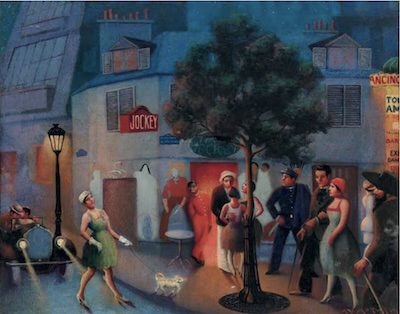
Archibald Motley’s 1929 body of work in “New Negro Artist Abroad” showcases glimpses of Black society in Paris with a hypnotic luminosity of color.
William Johnson’s kinetic explorations of caricature-like forms and colorful flat planes seem to forecast such contemporary art movements as “pop Art” and “minimalism” as does the exciting impact of Jacob Lawrence’s outstanding painting “The Photographer.”
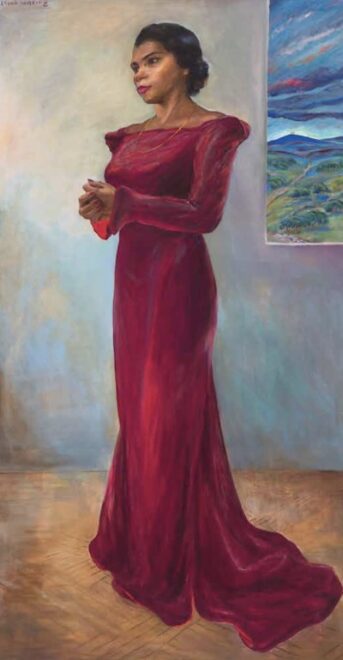
Significant works by noted painters Margaret Burroughs, Louis Mailou Jones and Laura Wheeling Waring’s 1944 regal painting of famed singer Marion Anderson, also remind us of the major role of women in the vitality and power of the movement.
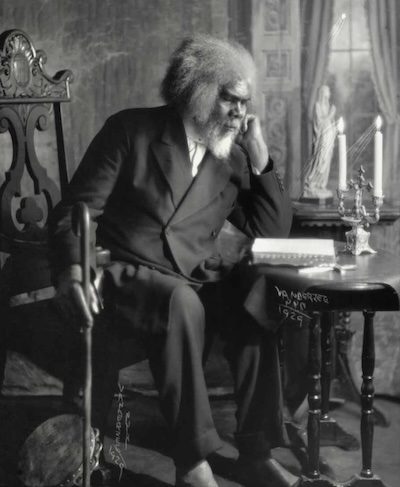
Dr. Murrell also employs an interesting curatorial choice – in using the black and white photography of James Van Der Zee and Carl Van Vechten – as “sequential connectors” throughout the exhibition, evoking an intriguing visual sense of traveling back in time. A must see!
The Harlem Renaissance: expansive exhibition celebrates a vital cultural era