
Looking Back at 1977: African-American Newscasters as Pioneers in Journalism
In 1977, a wave of talented African-American Newscasters broke new ground in television journalism, carving out spaces where their voices could be heard in a predominantly white industry. This was a time when representation in media was not only scarce but often confined to narrow perspectives. However, through perseverance and exceptional skill, these journalists reshaped the landscape of broadcast news.
Among these trailblazers was Melba Tolliver, who had the unique journey from a secretarial pool. to becoming a pioneering reporter at WABC. Her path was emblematic of the era’s constraints and opportunities. Other figures, like Bob Teague and Carl Stokes, emerged from traditions of rigorous print journalism and public service, bringing depth and integrity to their reporting roles.
These professionals became more than just newsreaders; they evolved into critical commentators and unofficial ombudsmen of the urban experience. They tackled complex urban issues, peeling back the glittering facade of the “Big Apple” to reveal the nuanced realities beneath.
Through their pioneering efforts, these journalists not only informed the public but also inspired future generations to continue the fight for representation and diversity in media. Looking back, their contributions prove that journalism can be a powerful tool for change and understanding.
ROUTES Magazine had chosen to profile some of these talented individuals — offering glimpses into the dedication and skill that defined their work and made them some of the most respected reporters of their time.
1977 Pioneers in Journalism
Some of those picked in that initial draft of 1977 African-American Newscasters were lucky. Melba Tolliver, for example, was literally discovered in the secretarial pool at WABC during an AFTRA strike in 1967. Her path was emblematic of the era’s constraints and opportunities. After sitting in, and doing a good job, she was officially made a reporter. She later took a course in journalism.
But Melba was the exception. Others were discovered only after the hard discipline of school and print journalism had primed them for the experience of working for the electronic fourth estate. Once at work, many found that the skills necessary to merge journalism with an audio-visual projection took time to master — especially into the fast-paced three-minute spots that most were assigned. Merely having a well-modulated voice and the ability to read a teleprompter was not enough to be called a reporter. Being an informed, educated, professional news hunter who could find a story instead of waiting for one to break was the key to getting in.
It is this “nose for the news,” coupled with the experience of having first-hand knowledge of the urban problems that had won them the respect of both the community they now serve and their veteran co-workers.
Today’s Black news professionals have matured into unofficial ombudsmen who dissect and examine the complicated inner workings of this vast urban arena called New York. By reporting both sides of the multi-faceted and difficult-to-film stories such as welfare reform, unemployment, drugs, and urban decay, they have wiped away some of the glitter and polish from the “Big Apple” by telling what really happens. Programs such as Like It Is, Positively Black, and Straight Talk emerged as a result.
Tell It Like It Is focused on unfiltered discussions about pressing societal issues, while Positively Black aimed to highlight positive contributions and stories within the African American community, countering the often negative stereotypes perpetuated by other media outlets. Straight Talk served as a forum for candid conversations on governance and social justice, emphasizing solutions and community empowerment.
In 1977, ROUTES Magazine chose to profile some of these talented individuals, to offer glimpses into the dedication and skill that defined their work and made them some of the most respected reporters of their time. (Unfortunately, Gil Nobel was not, at that time, profiled.)
Where Are They Now?
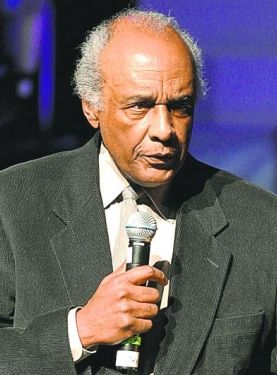
Gil Noble: His broadcasting career began in the early 1960s, starting as a reporter and interviewer. He joined WABC-TV in 1967, where he quickly gained a reputation for his insightful and in-depth reporting. Noble is best known for hosting the television program “Like It Is,” which aired on WABC-TV from 1968 to 2011. This show focused on issues significant to the African-American community, such as social justice, civil rights, and cultural achievements. Through comprehensive interviews and investigative reporting, Noble gave a platform to voices and stories often overlooked by mainstream media.
Throughout his career, Noble was dedicated to illuminating racial and social issues, fostering awareness, and encouraging dialogue. He interviewed countless influential figures, including political leaders, activists, and cultural icons, contributing significantly to important public conversations.
Noble’s excellence in journalism earned him numerous accolades, including seven Emmy Awards, the Lifetime Achievement Award from the National Association of Black Journalists, and many other honors recognizing his contributions to journalism and the community.
Gil Noble passed away on April 5, 2012. He is remembered as a pioneering journalist whose work on “Like It Is” had a lasting impact by educating viewers and advocating for social change. His unwavering commitment to truth and justice continues to inspire journalists and activists today.
Kwame Ture Interview on Gill Noble’s ‘Like It Is’ (1996)
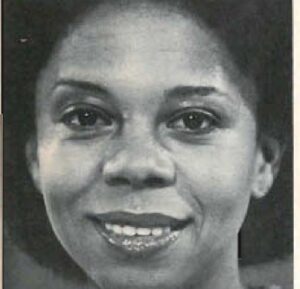
Melba Tolliver: After her groundbreaking start at WABC, Melba Tolliver continued to break barriers in journalism. She became well-known for her coverage of major events and her advocacy for diversity in media. In recent years, she has retired from broadcasting but remains active in speaking about the importance of representation in journalism.
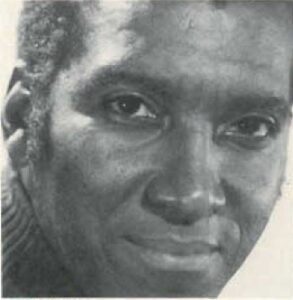
Bob Teague: Bob Teague had a distinguished career at WNBC-TV’s Newscenter 4, showcasing his versatility as a reporter, anchor, and sportscaster. Over his twelve-year tenure, he became known for his incisive reporting and ability to handle various media roles. After retiring from television journalism, Teague focused on writing and contributed to the field of journalism through his books. He passed away in 2013, leaving behind a legacy of journalistic excellence and a path for future generations of African American journalists.
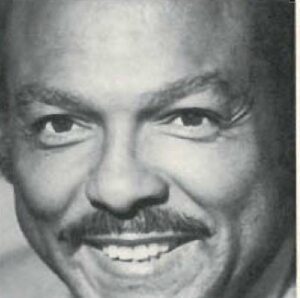
Carl B. Stokes: Carl Stokes joined WNBC-TV News in 1972, bringing his extensive political experience as the former mayor of Cleveland to his role as an urban affairs reporter. His work on the Urban Journal and as anchorman for Lead Story demonstrated his commitment to addressing urban issues and helping viewers navigate challenges with government and service agencies. After his time in journalism, Stokes returned to public service, serving as a municipal judge in Cleveland. He passed away in 1996, remembered as a trailblazer in both politics and media.
- Political Career: Carl Stokes made history by becoming the first African American mayor of a major U.S. city when he was elected as the Mayor of Cleveland, Ohio, serving from 1967 to 1971. His tenure was marked by initiatives focused on urban renewal, civil rights, and improving conditions for Cleveland’s residents, reflecting his commitment to addressing social and economic inequalities.
- Broadcasting Career: After his tenure as mayor, Stokes moved into journalism and joined WNBC-TV News in New York in 1972. As an urban affairs reporter, he utilized his political expertise to shed light on urban challenges. He played a significant role as an anchorman for “Lead Story” and hosted “The Urban Journal,” focusing on urban issues and exploring solutions to complex societal problems.
- Diplomatic Role: Carl Stokes’ career also included a notable diplomatic appointment. In 1994, he was appointed by President Bill Clinton as the U.S. Ambassador to the Republic of Seychelles. In this role, Stokes worked to represent and advance U.S. interests in the island nation, bringing his experience and diplomatic skills to the international stage.
- Return to Public Service: Before his diplomatic appointment, Stokes returned to Cleveland as a municipal judge from 1983 to 1994. His legal career was marked by his dedication to fairness and justice, further underscoring his lifelong commitment to public service.
Carl Stokes passed away in 1996, but his legacy endures as a trailblazer in politics, media, and diplomacy. He is remembered for breaking racial barriers and serving as an inspiration for future generations of African American leaders. His contributions to public service, journalism, and international relations highlight his multifaceted career and enduring impact on society.
Throughout his diverse career, Carl B. Stokes remained dedicated to advocating for social justice and improving urban living conditions, making lasting contributions across multiple arenas.
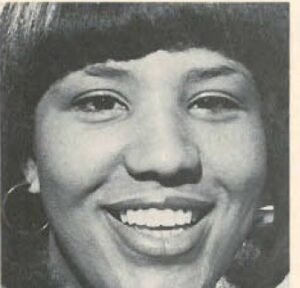
Carol Martin: Carol Martin joined WCBS-TV’s Channel 2 News in 1975, quickly becoming a prominent figure in New York journalism through her reporting on the Six and Eleven O’Clock reports. With a solid background in journalism from her time at WMALTV and the Detroit Free Press, Martin’s career continued to flourish. She later became a co-anchor for the news program “The People’s Court” and continued to influence the media landscape. Currently, she remains active in journalism and media-related projects, contributing her insights and experience to the field.
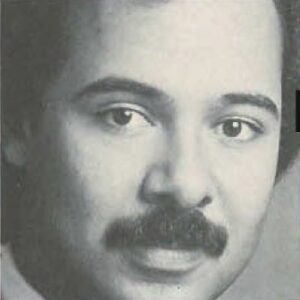
Spencer Christian: Spencer Christian made his debut on New York television as the Weekend Weatherman for WABC-TV’s Eyewitness News in 1977. Prior to this, he was a weather forecaster at WBAL-TV in Baltimore, where he also hosted a talk show, “Spencer’s World.” His career progressed significantly when he joined ABC’s “Good Morning America” as a weather forecaster, a position he held for many years. Today, Spencer Christian continues his work as a weather forecaster at KGO-TV in San Francisco and is also an accomplished author, having published books about his life and career.
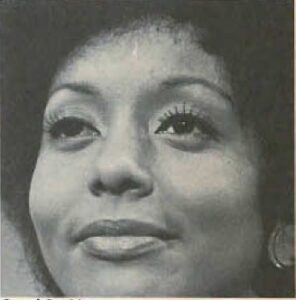
Carol Jenkins: Carol Jenkins began her notable career at WNBC-TV in 1973 as a general assignment reporter for Newscenter 4. Known for her impactful work on programs like “Straight Talk” and “Positively Black,” Jenkins has been an influential voice in public affairs programming. She went on to co-found the Women’s Media Center, advocating for equal representation in the media, and has been a prominent speaker and writer on media and diversity issues. Jenkins continues to be active in media and advocacy, inspiring future generations of journalists and media professionals.
These pioneering journalists not only reported the news but also became integral voices in their communities, advocating for truth and representation long after their initial roles in television news.