
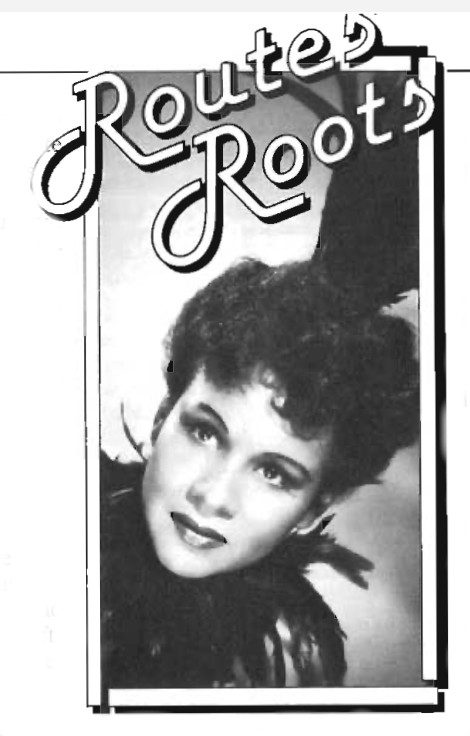
Introduction to Katherine Dunham
Until Katherine Dunham arrived on the scene in the 1930s, Black dance as a serious medium with a historical approach had never been convincing. Katherine Dunham and her company stunned the dance world with their unique performances, which were remarkable in their ethnic honesty. She was concerned not only with the style and physical execution of a dance but the cultural context as well.
Early Life and Influences
Katherine Dunham’s desire to research and experience other people culturally possibly got its roots from her early childhood. Her mother died when she was three years old, and because of grave financial problems, she and her older brother Albert were shifted from one relative to another while her father worked as a traveling salesman. To navigate these challenges, Katherine learned to observe people’s habits. She talked to the planets for guidance and inner strength; and she studied dance because it was a natural release for self-expression; it moved her from the ranks of “non-person,” as she often felt as a child, to a point of self-identity.
Dance Education and Early Career
When she was eight, she made her dance debut in a church. A short time later, she was observed by Ludmilla Speranzeva of the Moscow Art Theatre, who was so impressed with her talent that she provided Katherine with free dance lessons for several years. Despite struggles with personal appearance and financial difficulties, Katherine organized a dance school in Chicago to pay for college tuition. This initiative marked the beginning of her pioneering journey in dance.
Academic Pursuits and Cultural Exploration
A student of anthropology, Katherine initiated an approach to dance that would make her a distinguished figure. She embraced the philosophy that dance was interconnected with all aspects of culture, teaching serious dance culture that emphasized the art, religion, and language of the people whose dances they performed, with authenticity in drums, costumes, and settings. Her approach led to a scholarship from the Julius Rosenwald Foundation, enabling her to study “The dancers of the West Indies, their primitive backgrounds, their choreographic and rhythmic patterns.”
Research in the Caribbean
Equipped like an explorer, Katherine set off for the Caribbean, staying for a year and a half. Her study, solemnly entitled Anthropology and the Dance by the foundation, focused on the islands, with Haiti proving to be the most challenging and beloved. She immersed herself in the rich cultural heritage, participating in vaudun rituals, which she detailed in her book Island Possessed.
Transition to Professional Dance
After returning to the University of Chicago for an M.A. in Anthropology, Katherine began her career as a choreographer and promoter, eventually founding the Katherine Dunham School of Cultural Arts in New York. Her troupe performed in Hollywood films like Cabin in the Sky and Stormy Weather, showcasing the beauty and depth of dances of African origin globally. Her performances were celebrated for their innovative blend of traditional and modern techniques.
Later Years and Legacy
After many years in Dakar, Senegal, Katherine Dunham became a Research Professor at the East St. Louis campus of Southern Illinois University, near her birthplace in Joliet, Illinois. Her contributions have left a lasting impact on both dance and cultural studies. Her roots have held fast, and her contributions to dance and culture continue to resonate.